
The Ultimate 2026 Canada Travel Guide: Top Destinations, Insider Tips & Essential Prep
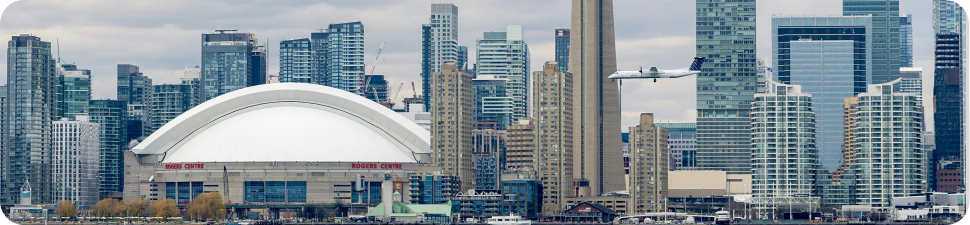
The Ultimate 2026 Canada Travel Guide: Top Destinations, Insider Tips & Essential Prep
From glacier-fed lakes in the Rockies to French colonial cities and Arctic wildlife encounters, Canada delivers extraordinary diversity across six time zones. Whether you're planning your first visit or returning to explore deeper, this guide covers the best places in Canada to travel—with practical advice that'll save you money, time, and headaches.
When to Visit: Planning Your 2026 Trip
Spring (April–May): Snow melts in the mountains, wildflowers bloom in British Columbia, and Quebec's maple syrup season peaks. Shoulder season pricing before summer crowds.
Summer (June–August): Peak season for national parks, coastal drives, and festivals. Book accommodations 3-6 months ahead for Banff, Vancouver Island, and Montreal.
Fall (September–October): Larch trees turn golden in the Rockies, Ontario's maple foliage draws leaf-peepers, and wine harvest season hits Okanagan and Niagara.
Winter (November–March): Ski season in Whistler, Banff, and Quebec; Northern Lights viewing in Yukon and Northwest Territories; polar bear season in Churchill (October–November).
10 Best Places in Canada to Travel
1. Banff & Jasper National Parks, Alberta
Why Go: The crown jewels of the Canadian Rockies, featuring turquoise glacial lakes, abundant wildlife, and the legendary Icefields Parkway—consistently ranked among the world's most beautiful drives.
Must-See Highlights:
- Lake Louise: Arrive by 7 AM to beat tour bus crowds; rent a canoe for iconic photos ($145 CAD/hour—pricey but worth it once)
- Moraine Lake: Ten Peaks backdrop; 2026 update: private vehicle access restricted—reserve shuttle via Parks Canada 48 hours ahead
- Icefields Parkway: 232 km drive between Banff and Jasper; allow full day for Athabasca Glacier stop at Columbia Icefield
- Maligne Lake: Spirit Island boat tour; book 3+ months ahead for summer slots
Where to Stay:
- Luxury: Fairmont Banff Springs (castle in the Rockies), Fairmont Chateau Lake Louise (iconic lakefront)
- Mid-range: Basecamp Resorts (design-forward, central), Canalta Lodge (Banff town)
- Budget: HI Banff Alpine Centre (hostel with private rooms), camping in Banff National Park ($22-38 CAD/night, reserve 4 months ahead)
Insider Tips:
- Banff is expensive: Expect resort-town pricing. Stay in Canmore (20 minutes south) for 30-40% savings on accommodations.
- Wildlife jams: Traffic stops for bear/elk sightings are common—never exit your vehicle for photos.
- National Park Pass: $10.50 CAD/day per person, or $72.25 for annual Discovery Pass. Purchase online before arrival.
Best For: Hikers, photographers, road trippers, luxury seekers, wildlife enthusiasts
2. Vancouver & Vancouver Island, British Columbia
Why Go: A cosmopolitan city surrounded by mountains and ocean, plus easy ferry access to Vancouver Island's rugged wilderness and British charm in Victoria.
Vancouver Itinerary (3 Days):
- Day 1: Stanley Park seawall bike ride (10 km loop, rent at Spokes), Granville Island Public Market lunch, sunset at English Bay Beach
- Day 2: Capilano Suspension Bridge (go before 9 AM to avoid crowds), Grouse Mountain gondola (grizzly bear sanctuary at top), historic Gastown dinner
- Day 3: Day trip to Whistler (2-hour scenic drive on Sea-to-Sky Highway) or Deep Cove kayaking
Vancouver Island Extension (90-minute ferry from Vancouver):
- Victoria: Butchart Gardens (55 acres of floral displays), afternoon tea at Fairmont Empress ($85 CAD, reservations essential), Inner Harbour walks
- Tofino: Surfing capital of Canada; storm watching November–February, whale watching March–October
- Pacific Rim National Park: Rainforest trails, Long Beach sunsets, Hot Springs Cove (boat or 2-hour hike access)
Food Highlights:
- Vancouver: Sushi (some of North America's best due to Japanese immigration), Richmond night markets (Asian street food), farm-to-table at Farmer's Apprentice
- Victoria: High tea, fish and chips at Red Fish Blue Fish, local craft cider
Best For: Urban explorers, food lovers, surfers, garden enthusiasts, wildlife watchers
3. Quebec City, Quebec
Why Go: The only walled city north of Mexico, offering authentic French culture, 17th-century architecture, and North American culinary excellence—without the transatlantic flight.
Old Quebec Walking Guide:
- Upper Town (Haute-Ville): Fairmont Le Château Frontenac (the world's most photographed hotel), Citadel changing of guard (summer only), Terrasse Dufferin boardwalk with street performers
- Lower Town (Basse-Ville): Place Royale (birthplace of French America, 1608), Quartier Petit Champlain (boutique shopping, steep stairs or funicular connection)
- Île d'Orléans: 15-minute drive; agricultural island with wineries, strawberry farms, and historic stone homes
Language Reality:
- French is official, but English widely spoken in tourist areas
- Basic courtesy attempts appreciated: "Bonjour" (hello), "Merci" (thank you), "Parlez-vous anglais?" (Do you speak English?)
- Outside Quebec City/Montreal, English proficiency decreases—download offline French translation
Dining Strategy:
- Fine dining: Toqué! (local ingredients, tasting menu, $150+ CAD), Chez Boulay (Nordic/Québécois fusion)
- Traditional: Au Pied de Cochon (rich, meat-heavy classics), Le Continental (flambé dishes prepared tableside)
- Casual essential: Poutine at La Banquise (Montreal) or Chez Ashton (Quebec City)—expect lineups at both
Best Time to Visit: Winter Carnival (February) for snow sculptures and ice canoe races; September for comfortable weather and harvest season.
Best For: History buffs, foodies, Francophiles, couples seeking romance, architecture enthusiasts
4. Toronto & Niagara Falls, Ontario
Why Go: Canada's largest city offers multicultural neighborhoods, world-class museums, and easy access to Niagara Falls—one of Earth's most powerful natural wonders.
Toronto Highlights:
- CN Tower: EdgeWalk (hands-free walk on exterior ledge 356m up) for adrenaline junkies; standard observation for skyline views
- Kensington Market: Pedestrian-friendly eclectic neighborhood for vintage shopping, global street food, and people-watching
- St. Lawrence Market: Saturday morning institution since 1803; peameal bacon sandwich at Carousel Bakery is mandatory
- Toronto Islands: Ferry escape (10 minutes) with car-free biking, skyline views, and Centreville Amusement Park for families
Niagara Falls Strategy:
- Canadian side is superior: Better frontal views, more attractions, cleaner development than New York side
- Beyond the falls: Niagara-on-the-Lake (charming 19th-century town), 27 wineries along the Wine Route, Shaw Festival theater (April–October)
- Experiences: Maid of the Mist boat ride (wear provided poncho—you will get soaked), Journey Behind the Falls (walk through tunnels to observation decks), Whitewater Walk (boardwalk beside Class 6 rapids)
Best For: Urban explorers, families, wine enthusiasts, first-time Canada visitors, theater lovers
5. Prince Edward Island (PEI)
Why Go: Canada's smallest province packs massive charm—red sand beaches, world-famous seafood, and the Anne of Green Gables literary pilgrimage.
Island Exploration:
- Green Gables Heritage Place: Visit the 19th-century farm that inspired L.M. Montgomery's novels; walking trails through "Haunted Woods" and "Balsam Hollow"
- Cavendish Beach: Iron-rich red sand cliffs contrasting with blue Gulf of St. Lawrence; part of Prince Edward Island National Park
- Points East Coastal Drive: Lighthouses, seals at Basin Head Provincial Park ("singing sands" beach due to high silica content)
- Charlottetown: Birthplace of Canadian Confederation (1864); waterfront boardwalk, Victoria Row restaurants, Confederation Centre of the Arts
Culinary Focus:
- PEI mussels: Available at nearly every restaurant; try steamed with white wine, garlic, and cream
- Lobster suppers: Community hall tradition—New Glasgow Lobster Suppers (since 1958) serves 1,000+ diners nightly in summer
- Oysters: Colville Bay and Raspberry Point varieties; visit an oyster farm for shucking lessons
Getting There:
- Confederation Bridge: 12.9 km bridge from New Brunswick (toll $50.25 CAD roundtrip; free when leaving PEI)
- Wood Islands Ferry: Seasonal ferry to Nova Scotia (75-minute crossing, scenic alternative)
Best For: Literary fans, beach lovers, foodies, families, slow travelers, cycling enthusiasts (Confederation Trail)
6. Montreal, Quebec
Why Go: North America's most European city, blending French joie de vivre with Canadian multiculturalism. Festival capital with world-class dining and vibrant nightlife.
Neighborhood Guide:
Festival Calendar 2026:
- June: Formula 1 Grand Prix, Francos de Montréal (French-language music)
- July: Just for Laughs (world's largest comedy festival), Montreal International Jazz Festival (world's largest jazz fest, 2+ million attendees)
- August: Osheaga (major indie/alternative music festival), Pride celebrations
- December: Noël markets, snow village (when temperatures permit)
Food Culture:
- Bagels: Wood-fired, honey-water boiled—distinctly sweeter and denser than New York style. Try both St-Viateur and Fairmount; pick your side.
- Smoked meat: Schwartz's Deli (landmark since 1928, expect lines) or Lester's (local favorite, less touristy)
- Poutine: La Banquise (24-hour, 30+ varieties including foie gras) for the full experience
Best For: Food enthusiasts, festival-goers, nightlife seekers, urban explorers, music lovers
7. Nova Scotia & Cape Breton Island
Why Go: Maritime hospitality, Celtic music traditions, and the Cabot Trail—consistently ranked among the world's most scenic coastal drives.
Halifax Base:
- Waterfront: Historic Properties boardwalk, Canadian Museum of Immigration at Pier 21 (many Americans trace ancestors here), ferry to Dartmouth
- Citadel Hill: 19th-century star-shaped fort with daily noon gun ceremony and kilted reenactors
- Alexander Keith's Brewery: Historic brewery tour including samples and 1860s-style tavern
- Food: Five Fishermen (oyster house), The Press Gang (historic fine dining), or casual lobster rolls at waterfront shacks
Cape Breton Island (5-hour drive from Halifax):
- Cabot Trail: 298 km loop through Cape Breton Highlands National Park; plan 2–3 days minimum for hiking and viewpoints
- Baddeck: Alexander Graham Bell National Historic Site; ideal base for trail exploration
- Louisbourg: Fortress of Louisbourg—largest reconstructed 18th-century French fortified town in North America; costumed interpreters, historic cooking demos
- Meat Cove: Northernmost settlement, dramatic cliffs, rustic camping
Cultural Note: Strong Scottish heritage; visit the Gaelic College or attend a ceilidh (traditional kitchen party) for fiddling and step-dancing.
Best For: Road trippers, history enthusiasts, Celtic culture fans, seafood lovers, lighthouse chasers
8. Churchill, Manitoba
Why Go: The "Polar Bear Capital of the World" and premier global destination for aurora borealis viewing. Remote, expensive, but genuinely life-changing.
Wildlife Experiences:
- Polar bears: October–November, as 1,000+ bears wait for Hudson Bay to freeze; tundra vehicle tours in Churchill Wildlife Management Area
- Beluga whales: July–August, 3,000+ whales congregate in Churchill River; kayak and snorkel tours available
- Birding: 250+ species; prime location for Arctic, subarctic, and boreal species migration
Northern Lights:
- Best viewing: February–March (clearest skies, darkest nights, bears gone)
- Duration: Plan 3–4 nights for statistical likelihood of clear sightings
- Photography: Tour operators provide tripods, coaching, and camera rentals
Logistical Reality:
- No roads lead to Churchill: Accessible only by air (2.5 hours from Winnipeg/Calgary) or 48-hour train from Winnipeg
- Expensive: Remote location means high costs; budget $3,500–5,500+ CAD per person for 3-night package including flights
- Book early: Less than 300 hotel rooms total; reserve 12+ months ahead for polar bear season
Best For: Wildlife photographers, adventure travelers, bucket-list chasers, nature documentary enthusiasts
9. Okanagan Valley, British Columbia
Why Go: Canada's premier wine region featuring 200+ wineries, desert landscapes, and warm lake swimming—often called "Napa of the North" but more affordable and relaxed.
Wine Route Strategy:
- Kelowna: Mission Hill Family Estate (iconic architecture, amphitheater concerts), Quails' Gate (lake views), Summerhill Pyramid Winery (organic/biodynamic, pyramid-aged wines)
- Penticton: Located between Okanagan and Skaha lakes; Naramata Bench (20+ boutique wineries within 15 km)
- Osoyoos: Canada's only classified desert; Indigenous-owned NK'Mip Cellars (pronounced "in-ka-meep")
Beyond Wine:
- Lake Okanagan: 135 km long; rent boats, paddleboards, or find public beaches (Gyros Beach in Kelowna is popular)
- Myra Canyon: Kettle Valley Railway trestle bridges; walk or bike 12 km of restored trail with canyon views
- Peach Festival (Penticton, August): Local fruit celebration with concerts, sandcastle competitions, family events
Best For: Wine enthusiasts, lake lovers, road trippers, summer vacationers, couples
10. St. John's, Newfoundland and Labrador
Why Go: North America's oldest and easternmost city, featuring colorful row houses ("Jellybean Row"), dramatic coastal scenery, and distinct Newfoundland culture with its own dialect.
St. John's Essentials:
- Signal Hill: Where Guglielmo Marconi received first transatlantic wireless signal (1901); military history museum, city views, hiking trails
- George Street: 2-block stretch with highest concentration of bars per capita in North America; live music nightly
- Cape Spear: Most easterly point in North America; historic lighthouse, WWII fortifications, whale watching platforms
- Qudi Vidi: Historic fishing village within city limits; Mallard Cottage (top-rated restaurant), Quidi Vidi Brewery (iceberg beer)
Newfoundland Road Trip Extensions:
- Trinity: Historic fishing town, Rising Tide Theatre performances, humpback whale watching
- Fogo Island: Arts community, Fogo Island Inn (architectural masterpiece, $3,000+ CAD/night), iceberg viewing (spring)
- Gros Morne National Park (UNESCO site): Tablelands (exposed earth's mantle), Western Brook Pond fjord boat tours
Local Language Fun: "Yes b'y" (expression of agreement), "screech-in" (ceremony making visitors honorary Newfoundlanders involving rum and reciting an oath), "Jiggs dinner" (traditional boiled meal of salt beef, cabbage, potatoes).
Best For: History enthusiasts, off-the-beaten-path seekers, literature fans (The Shipping News), road trippers, iceberg chasers
Canada Travel Warnings: What NOT to Do
Legal Pitfalls
Cannabis Confusion:
- Legal in Canada, but illegal to cross ANY border with it—including between legal US states and Canada
- Result: Lifetime ban from Canada, criminal charges, years of entry restrictions
- Bottom line: Never bring cannabis products; don't mail them to yourself either
Firearms & Weapons:
- Handguns effectively banned for visitors; hunting rifles require complicated permits
- Pepper spray illegal if labeled for human use (bear spray OK if clearly marked for animals)
- Switchblades, brass knuckles: prohibited weapons
Alcohol & Duty Limits:
- Personal exemption: 1.14 liters liquor OR 1.5 liters wine OR 24×355ml beer per adult
- Exceeding limits triggers duties of 100%+ value and potential vehicle searches
Cultural Faux Pas
Politeness Expectations:
- "Sorry" is reflexive—say it even if someone bumps into you
- Queue jumping is severely frowned upon; Canadians wait patiently
- Tipping mirrors US standards: 15–20% restaurants, $1–2 per drink, 10–15% taxis
Sensitive Topics:
- Avoid "51st state" jokes; Canadians are distinct and proud of differences
- Universal healthcare is a point of pride; criticizing your own system is fine, attacking theirs isn't
- Indigenous reconciliation is ongoing; engage First Nations history respectfully
Driving Differences
Metric Conversion:
- Speed limits: 100 km/h = 62 mph (highways), 50 km/h = 31 mph (urban)
- Fuel sold in liters; $1.50 CAD/liter ≈ $4.75 USD/gallon (typically more expensive than US)
Winter Essentials:
- Snow tires legally required in Quebec; highly recommended October–April elsewhere
- Carry emergency kit (blankets, food, water) for remote highway travel; cell coverage spotty outside major routes
Crossing from the USA: Quick Border Guide
For American visitors, Canada is remarkably accessible—just remember these essentials:
Required Documents:
- Valid passport (recommended) or Enhanced Driver's License/NEXUS card
- No visa needed for stays under 180 days
- Proof of funds and return/onward travel (occasionally requested)
Popular Entry Points:
- West: Peace Arch (I-5 to Vancouver), Pacific Highway
- Midwest: Blue Water Bridge (Michigan), Ambassador Bridge (Detroit)
- East: Rainbow Bridge (Niagara Falls), Thousand Islands Bridge (New York)
2026 Update: All COVID-19 restrictions lifted; standard entry procedures apply.
Your Essential Canada Packing Checklist
Documents & Money
- Valid passport
- Travel insurance documentation
- No foreign transaction fee credit cards (essential)
- Some Canadian cash for small towns and tips
Clothing & Gear
- Layering system: Weather changes rapidly, especially in mountains
- Sturdy hiking boots: Many highlights require trail walking
- Rain jacket: Essential year-round
- Sun protection: High altitude = stronger UV, even in winter
- Bug spray: Black flies (June) and mosquitoes (summer) can be intense
Tech & Connectivity
- Portable charger: Long days of navigation and photography drain batteries
- Universal adapter: Good news—Canada uses 120V Type A/B plugs (same as USA), so no adapter needed for American devices
- eSIM for Canada: See below—this is essential for modern travel
Why AirZlink eSIM Is Essential for Your 2026 Canada Trip
Here's what most packing lists miss: reliable, affordable connectivity. In 2026, navigating Canada's vast distances, booking restaurants on the go, and accessing emergency information requires data—but roaming charges can destroy your budget.
The Problem with Traditional Options:
- Your US carrier: $12–15/day roaming fees = $84–105 for a week-long trip
- Physical SIM cards: Find a store, wait in line, install tiny chips, keep track of original SIM
- Public WiFi: Unreliable in national parks, risky for banking, nonexistent on remote highways
Why AirZlink eSIM Changes Everything:
✅ No Physical Card – Digital delivery means no tiny SIM cards to lose, no paperclips needed for tray ejection, no plastic waste
✅ No Shipping Required – Purchase and activate instantly before departure or as your plane lands; no waiting for mail delivery, no airport kiosk hunting
✅ Immediate Connection – Scan QR code, follow simple setup, and you're online before leaving the terminal. No hunting for airport WiFi to call your Uber or find your hotel
✅ Coverage Across Canada – Access major carrier networks (Rogers, Bell, Telus) with strong signals from Vancouver Island to Newfoundland, including remote areas like Cabot Trail and Yukon highways where single-carrier coverage fails
✅ Flexible Plans by Day – Buy exactly what you need: 3 days for a weekend in Toronto, 7 days for a Quebec road trip, 30 days for a cross-country rail journey. No paying for unused days
✅ Hotspot Sharing – Connect your laptop for hotel booking research, share with travel companions, or keep your kids entertained on long drives without extra fees
✅ Reliable, Secure Networks – Partner with tier-1 Canadian carriers, not budget resellers. Your banking apps and private messages stay secure on established infrastructure
✅ Zero Roaming Surprises – Transparent upfront pricing in USD. No shocking bills upon return, no "welcome to Canada" text triggering daily fees
Real Canada Travel Scenarios Where AirZlink Saves Your Trip:
🗺️ Navigating Remote Areas – Download offline maps, but use real-time data for trail conditions in Banff, weather alerts on the Icefields Parkway, or gas station locations in rural Saskatchewan
🍽️ Last-Minute Bookings – Snag that cancellation at Aloette in Toronto or Joe Beef in Montreal without finding café WiFi
🐻 Emergency Situations – Call Parks Canada wildlife reporting lines, contact roadside assistance on lonely Manitoba highways, or video-call a doctor via telehealth when pharmacies are closed
📸 Sharing Moments – Live-stream northern lights from Yellowknife, upload 4K hiking videos from Jasper, or post sunset photos from Peggy's Cove without signal anxiety
Getting Started:Most iPhone XS and newer, Google Pixel 3+, Samsung Galaxy S20+, and recent iPads support eSIM. Browse AirZlink's Canada eSIM plans designed specifically for American travelers exploring the Great White North—whether you're tracking polar bears in Churchill or wine tasting in Okanagan.
Your Canadian Adventure Awaits
From the French colonial streets of Quebec City to the polar bears of Churchill and the Celtic coastlines of Nova Scotia, Canada offers Americans extraordinary diversity without transatlantic complexity. The best places in Canada to travel combine raw natural beauty with genuine hospitality, world-class cities with wilderness solitude.