
The Ultimate 2026 Chinese New Year Travel Guide 🧧
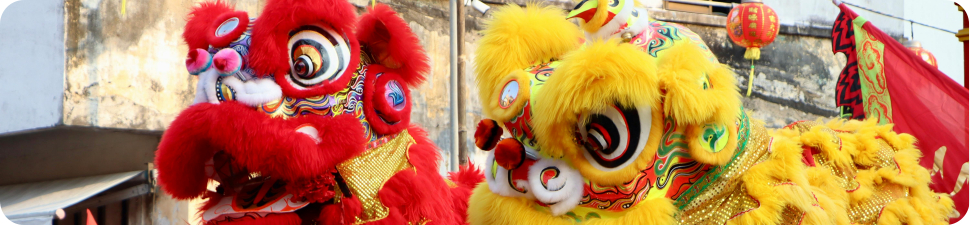
The Ultimate 2026 Chinese New Year Travel Guide 🧧
Experiencing Spring Festival Like a Local
Imagine a billion people celebrating simultaneously—streets exploding with red lanterns 🏮, families gathering for reunion dinners 🥢, and ancient temples filled with incense and wishes 🙏. Traveling to China during Chinese New Year (Spring Festival) offers American visitors an unforgettable cultural immersion, but it requires strategic planning. Here's everything you need to know for your 2026 Lunar New Year adventure ✈️.
What Is Chinese New Year? Understanding Spring Festival 🐴
Chinese New Year marks the beginning of the lunar calendar, typically falling between late January and mid-February. In 2026, Year of the Horse 🐎 begins on February 17th, with official public holidays running February 17–23, 2026 📅.
Why This Matters for Travelers:
🌍 Largest human migration on Earth — Nearly 3 billion trips made as Chinese return to hometowns
🎉 Two-week celebration — Pre-festival shopping, New Year's Eve reunion dinners, temple fairs, fireworks 🎆, and Lantern Festival finale
🎭 Cultural intensity — Maximum authenticity, but also maximum crowds and logistical challenges
Best Destinations for 2026 Spring Festival 🗺️
1. Beijing 🇨🇳
Imperial Traditions Meet Modern Celebrations
Why Go: China's capital delivers the most iconic Spring Festival experience—temple fairs, Forbidden City 🏯 decorations, and hutong neighborhood festivities.
🎪 Must-Experience Events:
💡 2026 Insider Tips:
📅 Book accommodations 3+ months ahead — Prices spike 200-400% during holiday week
🚂 Avoid train stations February 15–19 — Chunyun (Spring Festival travel rush) creates chaos
🧱 Visit Great Wall January 25–30 — Pre-holiday period offers fewer crowds and winter scenery ❄️
History enthusiasts
2. Shanghai 🌃
Modern Celebrations and Colonial Charm
Why Go: China's most cosmopolitan city blends traditional celebrations with dazzling contemporary displays ✨.
🌟 Spring Festival Highlights:
- The Bund Light Show 🌉 — Buildings illuminated with red/gold projections, dragon motifs 🐉, digital fireworks
- Yu Garden Lantern Festival 🏮 — Month-long handcrafted lantern display (peak: Feb 17–Mar 5)
- Tianzifang 🎨 — Arts district transformed with red decorations; souvenir shopping & café culture ☕
- Lujiazui Skyline 🏙️ — Futuristic towers photographed against traditional lantern foregrounds
🥟 Food Strategy:
Logistics: Shanghai's metro 🚇 runs extended hours; Maglev train ✈️ operates normally.
Food lovers
3. Xi'an 🏺
Ancient Capital Celebrations
Why Go: Experience Spring Festival where Chinese civilization began—Terracotta Warriors ⚔️, medieval city walls, authentic northwestern traditions.
✨ Unique Experiences:
🏰 City Wall Lantern Festival — Ancient fortifications illuminated; rent bikes 🚴 for circular night rides
🕌 Muslim Quarter — Hui minority celebrations; try yangrou paomo (lamb soup with bread) 🍜
🎭 Tang Paradise — Tang Dynasty-themed park with costumed performers, traditional music, fireworks 🎆
🛕 Small Wild Goose Pagoda — Quieter temple fair with folk art & tea ceremonies 🍵
🎨 Cultural Immersion:
✂️ Paper cutting workshop — Learn jianzhi, traditional red paper cutting
🖌️ Calligraphy session — Write spring couplets (chunlian) with local masters
👘 Tang Dynasty Show — Dinner theater recreating ancient court music and dance
Culture seekers
4. Guangzhou & Hong Kong 🌺
Cantonese New Year Customs
Why Go: Southern China celebrates differently—flower markets 🌸, lion dances 🦁, distinct Cantonese culinary traditions.
Guangzhou Highlights:
🌷 Flower markets — Peony & narcissus symbolize prosperity; operate New Year's Eve until midnight
🎪 Yuexiu Park Lantern Show — Guangdong's largest display; Cantonese opera performances
🥟 Dim sum tradition — Families linger over brunch at Panxi or Datong Restaurant
Hong Kong Extensions 🌟:
🍽️ Food Focus:
🍡 Tong yuen — Glutinous rice balls for family togetherness
🌭 Lap cheong — Chinese sausage for New Year rice dishes
🥮 Turnip cake — Savory dim sum staple, fried crispy
Urban photographers
5. Harbin ❄️
Ice, Snow, and Russian Flair
Why Go: Winter Wonderland meets Spring Festival—world's largest ice festival coincides with celebrations ⛄.
🧊 Harbin International Ice & Snow Sculpture Festival:
🎊 Spring Festival Additions:
🏛️ Central Street — Russian architecture with red decorations; ice carving demos
🐅 Siberian Tiger Park — Special feeding demonstrations during holiday week
♨️ Hot springs — Escape -20°C at suburban mineral baths
🥶 Survival Tips:
Photographers
6. Yunnan Province 🌸
Spring Festival in Eternal Spring
Why Go: Escape northern winter cold while experiencing ethnic minority celebrations distinct from Han traditions 🌺.
Kunming Base:
🌷 Daguan Park — Tulip displays; traditional flower exhibitions
🐦 Green Lake Park — Red-billed gulls fed by thousands of families; festive atmosphere
🗿 Stone Forest — Karst formations; 90 minutes away; fewer February crowds
Dali Ancient Town 🏘️:
🎭 Bai minority celebrations — Torch festivals; traditional music; less commercialized than Lijiang
🚴 Erhai Lake — Cycle lakeside path; mild February weather (10–18°C / 50–65°F) ☀️
🛕 Three Pagodas — Tang Dynasty architecture with snow-capped Cangshan Mountain 🏔️
Lijiang and Beyond:
🏮 Old Town — UNESCO site with Naxi dongba culture; quieter during New Year's week
🥾 Tiger Leaping Gorge — Moderate hiking temperatures; 2-day trek options
Mild weather seekers
7. Chengdu 🐼
Pandas and Sichuan Spice
Why Go: Giant pandas, fiery cuisine 🌶️, laid-back teahouse culture—Spring Festival with sensory intensity.
🐼 Panda Encounters:
🎊 Spring Festival Experiences:
🏮 Jinli Ancient Street — Red lanterns; Sichuan opera face-changing; street food galore 🍢
🍵 People's Park — Tea service, ear cleaning, mahjong; quintessential Chengdu leisure
⛩️ Wuhou Shrine Temple Fair — Three Kingdoms-themed celebrations; traditional theater
🌶️ Culinary Adventure:
🔥 Hot pot — Essential for cold February nights; try Shu Jiu Xiang or Lao Ma Tou
🎭 Sichuan opera — Face-changing & fire-spitting at Shufeng Yayun Teahouse
🍲 Mapo tofu — Originated here; numbing Sichuan peppercorn sensation
Day Trips:
🗿 Leshan Giant Buddha — 2-hour drive; world's largest stone Buddha (71 meters)
⛰️ Mount Qingcheng — Taoist holy mountain; hiking & cable car options
Wildlife enthusiasts
Essential 2026 Spring Festival Survival Guide 🆘
Booking Strategy 📅
⏰ Timing Is Everything:
💰 Budget Reality:
📈 Accommodation — 200-400% price increases during official holiday week
✈️ Flights — Domestic routes often sold out or triple-priced; book open-jaw (Beijing in, Shanghai out)
✅ Solution — Arrive Jan 25–Feb 10 or stay through Mar 1+ for shoulder season pricing
Navigating Chunyun 🚂 (Spring Festival Migration)
❌ What to Avoid:
🚉 Train stations February 15–19 — Absolute chaos; book flights ✈️ instead
😰 Major attractions February 17–20 — Forbidden City, Great Wall, Terracotta Warriors at maximum capacity
🚗 Highway travel — Traffic jams extending hundreds of kilometers
✅ What to Embrace:
🎊 New Year's Day (February 17) — Surprisingly quiet; locals stay home with families
🎪 Temple fairs — Crowded but essential cultural experience; arrive 8–9 AM ⏰
✨ Evening celebrations — Fireworks unrestricted outside major cities; magical atmosphere 🎆
Cultural Etiquette for Spring Festival 🎎
✅ Do:
❌ Don't:
Your Essential Packing List for China Spring Festival 🎒
💼 Documents & Money:
- 🛂 Passport with 6+ months validity
- 📋 Chinese visa (apply 2–3 months ahead due to holiday closures)
- 🏥 Travel insurance covering medical evacuation
- 💵 Cash — Many vendors/temples don't accept cards; ATMs plentiful 🏧
- 📱 WeChat Pay or Alipay — Increasingly essential
👕 Clothing & Gear:
🧅 Layers — Northern China below freezing ❄️; southern regions mild 10–20°C ☀️
👟 Comfortable walking shoes — Temple fairs = hours of standing/walking
🔴 Red accent piece — Scarf, shirt, or accessory for photos & cultural respect
😷 N95 masks — Air quality varies; useful for crowded indoor spaces
☂️ Portable umbrella — February rain common in southern China
📱 Tech & Connectivity:
🔐 VPN — ESSENTIAL — Download before arrival (app stores blocked in China)
🔋 Power bank — 20,000mAh recommended for long days
🔌 Universal adapter — China uses 220V, Type A/C/I plugs
🌐 Translation app — Google Translate offline or Pleco for characters
📲 eSIM for China — See below — Critical for navigation & connectivity
Why AirZlink eSIM Is Essential for Your 2026 China Trip 🌟
Navigating China's internet landscape presents unique challenges for American travelers. Here's how to stay connected without headaches 🤯:
📵 The China Connectivity Challenge:
💳 International roaming — $15+/day from US carriers; still requires VPN
😤 Physical SIM cards — Difficult for tourists (Chinese ID required); airport kiosks closed/sold out during Spring Festival
📶 WiFi limitations — Requires phone number verification; often unreliable
✨ Why AirZlink's Best eSIM for China Changes Everything:
💪 Real Spring Festival Scenarios:
🚀 Getting Started:
Most iPhone XS and newer 📱, Google Pixel 3+, Samsung Galaxy S20+, and recent iPads support eSIM.
👉 your-china-esim-product-page — Designed specifically for American travelers navigating the Middle Kingdom during the world's largest celebration 🌏🎉.
Final Thoughts: Embrace the Chaos 🎊
Traveling to China during Spring Festival isn't for the faint of heart—crowds are intense 😰, prices spike 📈, logistics require military precision 🎖️. But for travelers seeking genuine cultural immersion, there's no better time.
You'll witness family bonds stronger than any Western holiday ❤️. You'll taste foods prepared only once yearly 🥟. You'll see ancient traditions thriving in hypermodern cities 🏙️🏮. And you'll understand why a billion people endure Chunyun madness to come home 🏠.
📅 Start Planning Today:
- 🛂 Check visa requirements (complex for China)
- 💥 Book accommodations before prices explode
- 🎭 Prepare for an experience that will redefine celebration